PHYBOT M1
PHYBOT

PHYBOT M1

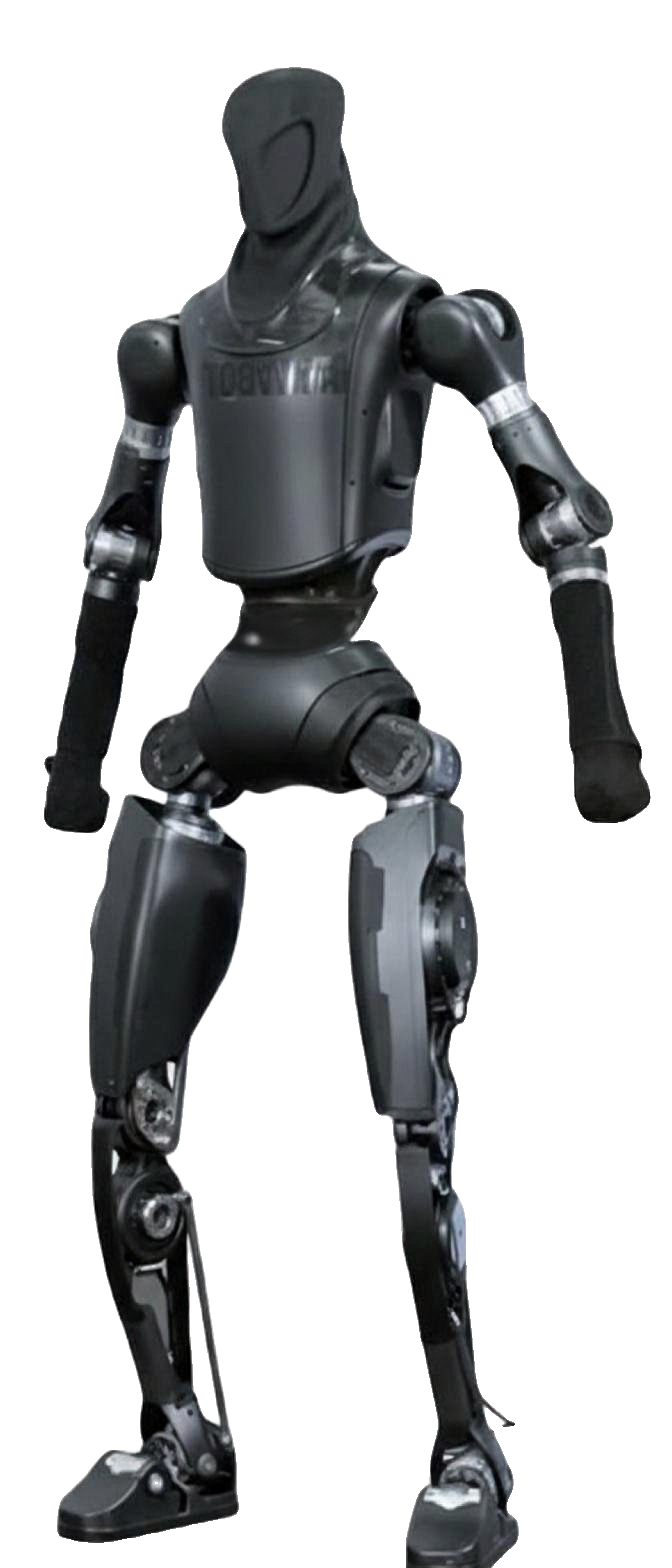
PHYBOT M1 is a full-size electric humanoid robot combining human-height mobility, high-torque actuation, and advanced perception — designed for heavy-duty tasks, dynamic motion, and real-world work environments.

Description

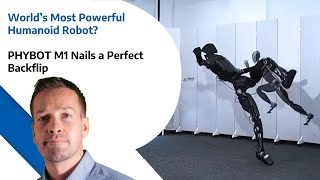
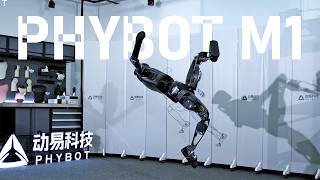
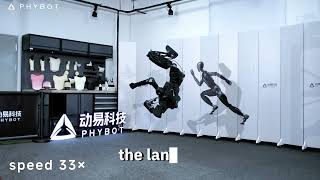
The PHYBOT M1, developed by Beijing Phybot Technology Co., Ltd.—a startup founded by Tsinghua University alumni—represents a paradigm shift in humanoid robotics, emphasizing unprecedented power density and dynamic performance in a full-size electric platform. Launched in November 2025, this 172 cm tall, under-60 kg robot is engineered for heavy-duty tasks in real-world environments, bridging the gap between research prototypes and industrial deployers. Its core architecture revolves around proprietary PhyArc series quasi-direct-drive integrated cycloidal joint modules, which achieve peak joint torques of 530 N·m and burst powers exceeding 10 kW, enabling feats previously reserved for hydraulic systems like Boston Dynamics' Atlas. The M1 boasts 32 degrees of freedom (12 per hand with 5 fingers each), high-torque electric motors, and cycloidal gear drives for backlash-free precision. Structural integrity is provided by an aluminum alloy chassis and composite outer shells, rated IP42 for dust and splash resistance. Mobility specs include a maximum speed of 10 km/h (walking 5 km/h), with demonstrated capabilities in rough terrain navigation, explosive jumps, and acrobatics. Power is supplied via a 72V system with dual swappable 9 Ah batteries, offering over 2 hours runtime per charge. Compute infrastructure features an Intel Core i7 system controller paired with NVIDIA Jetson Orin for real-time AI inference, supporting a ROS2-based Linux OS. Perception suite includes 3D LiDAR for mapping, stereo RGB cameras (2-5 MP each) for depth and vision, and IMUs for balance. LLM integration enables natural language processing, with end-to-end latency of 150-250 ms from perception to action. Safety is prioritized through torque sensing, human-safe speeds, and collaborative design. Iconic demonstrations include the world's first standing backflip by a full-size electric humanoid (39-41 second official demo), T0-class self-righting from ground, single-hand lifting of 20 kg, backpack carrying 50 kg, and stable landings post-flip. These highlight advanced control algorithms for whole-body coordination, reinforcement learning for dynamic balance, and model-predictive control for torque optimization. While specific AI models are proprietary, the stack supports embodied AI paradigms, with vision-language models for task planning and multimodal fusion for environment understanding. Real-world deployments are emerging in early production (limited release, ~$39,000/unit), targeting industrial logistics, heavy object handling, disaster response, robotics research, and academic labs. Viral demos have accelerated partnerships, but widespread history is pending; initial units focus on validation in controlled heavy-lift scenarios. PHYBOT's in-house hardware-software co-design philosophy positions the M1 as infrastructure for AGI-era productivity, outperforming humans in strength-intensive, repetitive tasks while scaling via swappable batteries and modular actuators. Future iterations promise enhanced dexterity and autonomy.

Key Features

Extreme Power Density

PhyArc cycloidal actuators deliver 530 N·m peak torque and >10 kW burst power, enabling superhuman feats like backflips and heavy lifts.

Acrobatic Dynamics

First full-size electric humanoid to execute perfect standing backflip and T0 self-righting, showcasing advanced balance and control.

Advanced Perception

3D LiDAR, stereo RGB cameras (2-5 MP), IMUs for real-time navigation, object detection, and low-latency (150-250 ms) responses.

Robust Compute

NVIDIA Jetson Orin + Intel Core i7 on ROS2 Linux with LLM integration for embodied AI tasks and multimodal interaction.

Heavy Payload Capacity

20 kg per hand lift, 50 kg carry; designed for industrial logistics, construction, and disaster response.

Endurance & Swappability

Dual 9 Ah 72V batteries (>2 hours runtime), hot-swappable for continuous operation in demanding environments.

Human-Safe Design

IP42 protection, torque sensing, collaborative speeds for safe co-existence in human workspaces.

Specifications

AvailabilityEarly production / limited release
NationalityChina
Degrees Of Freedom, Overall32
Degrees Of Freedom, Hands12
Height [Cm]172
Manipulation Performance4
Navigation Performance3
Max Speed (Km/H)10
Strength [Kg]5
Weight [Kg]60
Runtime Pr Charge (Hours)Dual 9 Ah swappable batteries — runtime claimed >2 hours
Safe With HumansYes
Cpu/GpuIntel Core i7 (system controller), NVIDIA Jetson Orin
Ingress ProtectionIP42
Camera Resolution3D LiDAR, Stereo RGB cameras at ~2–5 MP each
ConnectivityBluetooth, Ethernet, Wi‑Fi
Operating SystemLinux (ROS2-based)
Llm IntegrationYes
Latency Glass To Action150–250 ms
Motor TechHigh-torque electric motors, Likely custom "PhyArc" actuator modules optimized for burst torque
Gear TechCycloidal gear drives
Main Structural MaterialAluminum alloy chassis, Composite outer shells
Number Of Fingers5 per hand
Main MarketGeneral embodied AI testing environments, Heavy object handling, Industrial logistics, Robotics research + academic labs
VerifiedNot verified
Walking Speed [Km/H]5
ColorBlack
ManufacturerPHYBOT
Height172 cm
Weight60 kg
Dof Overall32
Dof Hands12 (5 fingers/hand)
Max Speed10 km/h
Walking Speed5 km/h
Payload Lift20 kg/hand (45 lbs)
Payload Carry50 kg backpack (110 lbs)
BatteryDual 9 Ah swappable, 72V system, >2 hours runtime
Burst Power>10 kW
Peak Torque530 N·m per joint
Cpu GpuIntel Core i7 + NVIDIA Jetson Orin
OsLinux (ROS2-based)
Sensors3D LiDAR, Stereo RGB cameras (2-5 MP each), IMUs
Latency150-250 ms glass-to-action
ActuatorsHigh-torque electric motors with PhyArc cycloidal gear drives
MaterialsAluminum alloy chassis, composite shells
Ip RatingIP42
ConnectivityBluetooth, Ethernet, Wi-Fi
Llm IntegrationYes
ColorBlack
Price Estimate$39,000
AvailabilityEarly production / limited release

Curated Videos

Video 3
Video 4
Video 5

Frequently Asked Questions

What makes PHYBOT M1 the most powerful humanoid robot?

Its PhyArc actuators provide 530 N·m torque and 10+ kW bursts, powering backflips and heavy lifts unmatched by other electrics. Fully in-house design optimizes power-to-weight ratio at <60 kg.

What are the key specifications for mobility and strength?

172 cm height, 10 km/h max speed, 5 km/h walking, 20 kg hand lift, 50 kg carry. 32 DoF enable dexterous manipulation rated 4/5.

How does the perception and AI system work?

3D LiDAR + stereo cameras feed Jetson Orin for SLAM/navigation; i7 handles planning. ROS2 + LLM support 150-250 ms latency for responsive, intelligent actions.

What is the battery life and power system?

72V system with dual 9 Ah swappable batteries yields >2 hours continuous operation, ideal for shift work in logistics or labs.

Is PHYBOT M1 safe for human environments?

Yes, IP42-rated, torque-limited joints, and speed controls ensure collaborative safety. Designed for warehouses, labs, and dynamic sites.

What markets is it targeted for?

Early production for AI research, industrial heavy handling, logistics, disaster response. Bridges prototypes to commercial deployment.

Has it been deployed in real-world scenarios?

Limited release phase; demos validate capabilities, with initial units in partner labs for testing. Full deployments expected soon.

×