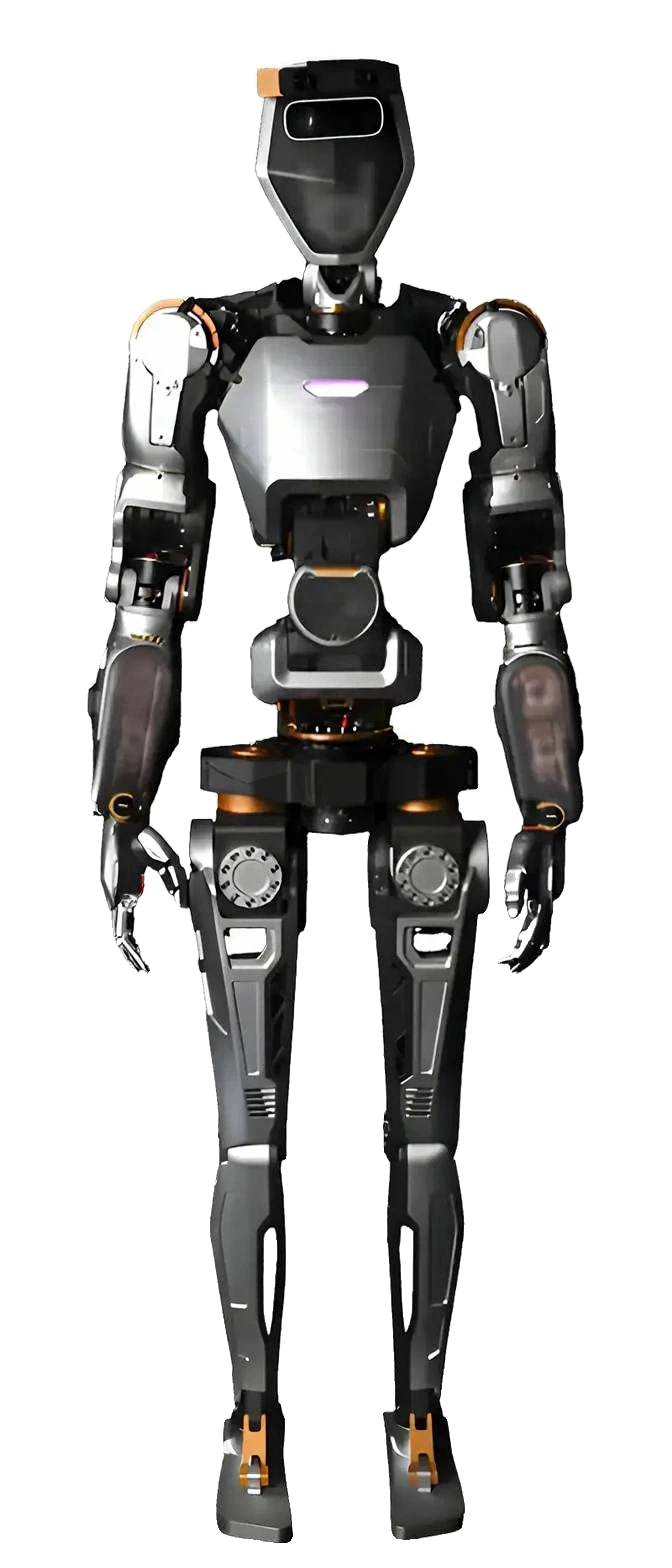
Phoenix
Sanctuary AI

Phoenix

Phoenix is an advanced humanoid general-purpose robot developed by Sanctuary AI, a Canadian company at the forefront of robotics and artificial intelligence. Unveiled in May 2023, Phoenix represents a significant leap forward in the field of humanoid robotics, designed specifically to address labor challenges across various industries.

Description

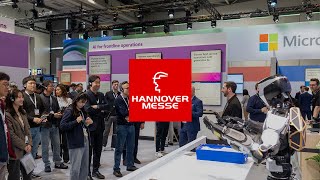
Phoenix is an advanced series of general-purpose humanoid robots developed by Sanctuary AI, a Vancouver-based Canadian robotics company founded in 2018. Initially unveiled in May 2023 as the sixth generation, Phoenix has rapidly evolved through multiple iterations, reaching the eighth generation by December 2024. Designed to address global labor shortages in industries such as manufacturing, logistics, automotive, retail, and utilities, Phoenix combines a human-like physical form with the Carbon™ AI control system, aiming to perform dull, dirty, or dangerous tasks autonomously alongside humans. Architecturally, Phoenix stands at 170 cm tall and weighs approximately 70 kg, with a maximum payload capacity of 25 kg. It features 75 degrees of freedom overall, including highly dexterous hands with 20 degrees of freedom, proprietary haptic technology mimicking human touch, and later integrations of advanced tactile sensors for slippage detection, blind picking, and precise force control. Early generations emphasized bipedal locomotion with a top speed of 5 km/h (walking at 4 km/h), but the eighth generation incorporates a wheeled base for enhanced stability and data capture efficiency, supporting a robust torso for industrial tasks. Actuation combines miniaturized hydraulics, electric motors, and possibly pneumatic elements for high power density and safety. The robot is sensor-rich, with upgraded depth and vision cameras offering expanded field of view and resolution, alongside improved audio, telemetry, and tactile sensing suites in later models. Runtime per charge is around 8 hours, with optimizations for uptime and reduced bill of materials in Gen7 and beyond. The core intelligence lies in Carbon™, a pioneering cognitive architecture that simulates human brain subsystems including memory, sight, sound, and touch. Carbon integrates modern AI technologies: large language models (LLMs) for general knowledge and natural language processing, symbolic and logical reasoning for explainable decision-making, deep learning, and reinforcement learning for motion and task planning. It enables photo-realistic simulations for sim-to-real transfer, human-in-the-loop teleoperation, fleet management, and rapid task learning—reducing automation time from weeks to under 24 hours in Gen7. Carbon translates natural language instructions into auditable reasoning, task, and motion plans, supporting agency, goal-seeking, and domain-specific extensions. Real-world deployment history began with the fifth generation's first commercial deployment in January 2023. The sixth generation demonstrated hundreds of tasks across over a dozen industries. Notable pilots include a 2024 collaboration with Accenture at a Mark’s retail store in Langley, BC, where Phoenix performed over 100 tasks such as merchandise packing, cleaning, tagging, labeling, and folding. Partnerships with Microsoft showcased Phoenix at Hannover Messe 2025, and expansions into automotive manufacturing highlight growing customer adoption in Canada, the US, and beyond. Gen7 (April 2024) and tactile sensor integrations (2024-2025) enhanced dexterity for in-hand manipulation and complex touch-driven tasks. The eighth generation focuses on high-quality behavioral data capture to further train Carbon, accelerating progress toward human-level general-purpose autonomy. Sanctuary AI's vertical integration—from custom motors to generative AI—positions Phoenix as a leader in embodied AI, with rapid iteration cycles (new generations every 8-12 months) and strong IP portfolio.

Key Features

Carbon™ AI Control System

Cognitive architecture mimicking human brain subsystems; integrates LLMs, symbolic reasoning, RL/DL for explainable NL-to-action translation, sim-to-real learning, and 24-hour task automation.

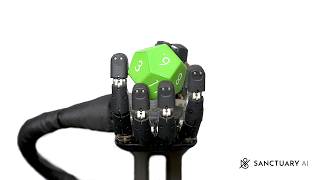
Dexterous Haptic Hands

20 DOF hands with proprietary haptics and advanced tactile sensors for human-like fine manipulation, blind picking, slippage detection, and precise force control.

Human-Like Mobility

Bipedal (early gens) or wheeled base (Gen8) with full-body 75 DOF, 170 cm height, 25 kg payload, 5 km/h speed for versatile navigation in human environments.

Sensor-Rich Design

Upgraded vision/depth cameras, audio, telemetry, tactile suite for high-fidelity data capture, visual perception, and robust embodied AI training.

Industrial Durability

Miniaturized hydraulics, enhanced safety, increased uptime, reduced weight/power for reliable operation in manufacturing, logistics, and retail.

Specifications

AvailabilityPrototype
NationalityCanada
Websitehttps://sanctuary.ai/product/
Degrees Of Freedom, Overall75
Height [Cm]170
Manipulation Performance2
Navigation Performance2
Max Speed (Km/H)5
Strength [Kg]25
Weight [Kg]70
Runtime Pr Charge (Hours)8
H.G Skill Score5
VerifiedNot verified
Walking Speed [Km/H]4
ManufacturerSanctuary AI
Height170 cm
Weight70 kg
Payload25 kg
Max Speed5 km/h (1.34 m/s)
Walking Speed4 km/h
Dof Overall75
Dof Hands20
Runtime8 hours per charge
ActuatorsMiniaturized hydraulics, electric motors (possibly pneumatic)
SensorsHaptic/tactile sensors (proprietary, for touch/force/slippage), depth/vision cameras (upgraded FOV/resolution), audio, telemetry suite
Ai SystemCarbon™ (LLMs + symbolic reasoning + RL/DL)
Power SourceElectric (details N/A; combustion fuel cells mentioned in some sources)
MaterialsIndustrial-grade (strong torso; specifics N/A)
BatteryN/A (kWh/voltage unspecified)
OtherHuman-like range of motion (Gen7+), wheeled base option (Gen8), safe human collaboration

Curated Videos

Video 1
Video 2
Video 3
Video 4
Video 5

Frequently Asked Questions

What is the current generation of Phoenix and its key improvements?

As of December 2024, Phoenix is in its eighth generation, optimized for high-quality data capture with a wheeled base for torso stability, enhanced telemetry, expanded FOV vision cameras, and improved sensors. Prior Gen7 (April 2024) added human-like joint motion, durable hands, miniaturized hydraulics, and 50x faster task learning.

How does the Carbon AI system work in Phoenix?

Carbon is a cognitive architecture integrating LLMs for language/general knowledge, symbolic reasoning for auditable plans, RL/DL for motions, and sensory simulation (sight/sound/touch/memory). It enables autonomous task execution, teleoperation, sim-to-real transfer, and natural language commands, evolving via behavioral data from deployments.

What are the main hardware specifications of Phoenix?

Phoenix measures 170 cm tall, weighs 70 kg, lifts 25 kg payloads, reaches 5 km/h speeds, offers 75 DOF (20 in hands), 8-hour runtime, with haptic/tactile hands, advanced cameras, and hydraulic/electric actuation for dexterity and strength in industrial settings.

Has Phoenix been deployed in real-world scenarios?

Yes, starting with Gen5 commercial deployment in Jan 2023. Key pilots: Accenture/Mark’s store (100+ retail tasks like packing/folding), Microsoft at Messe 2025 demos, automotive manufacturing pilots. Demonstrated hundreds of tasks across logistics, retail, utilities.

What distinguishes Phoenix from other humanoid robots?

Phoenix excels in dexterity via 20-DOF haptic hands and tactile sensors, Carbon's explainable cognitive AI for general-purpose tasks, rapid gen iterations (to Gen8 in 2025), and focus on embodied data capture for AGI-like autonomy, outperforming vision-only competitors.

×