MH3
Mirsee Robotics

MH3

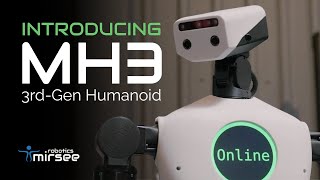
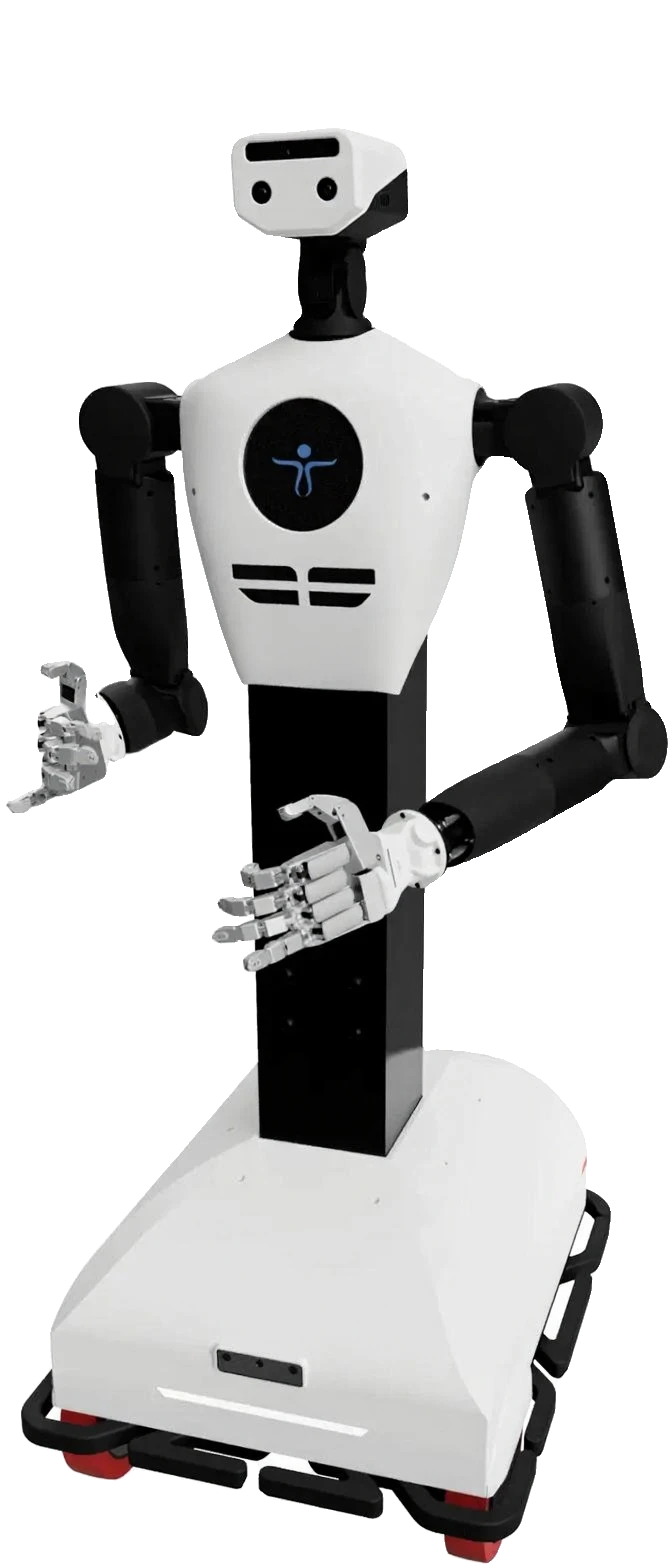
Mirsee Robotics’ MH3 is a humanoid robot engineered to augment skilled human labor across various industries. With advanced mobility, precision, and safety features, MH3 stands as a versatile solution for modern workforce challenges.

Description

The MH3 humanoid robot from Mirsee Robotics, a Cambridge, Ontario-based company founded in 2017 by CEO Tarek Rahim and CTO Rob Ings, marks the third generation of their humanoid lineup (following MH1 in 2021 and MH2 in 2023). Designed as a practical, production-ready solution for augmenting skilled human labor in critical infrastructure, hazardous, remote, and labor-intensive environments, the MH3 prioritizes teleoperation over full autonomy, enabling operators to provide 'instant remote physical presence' via immersive VR headsets, haptic feedback gloves, and low-latency control systems. This approach addresses current AI limitations by allowing human experts to perform dexterous tasks remotely, with AI gradually learning repetitive actions to reduce operator workload. Architecturally, the MH3 features a robust wheeled mobile base using Mecanum wheels for holonomic motion (strafing, pivoting in place), integrated suspension, and highest-in-class payload capacity (over 300 kg in related platforms), ensuring inherent stability superior to legged designs. Standing 180 cm tall and weighing 125 kg, it offers 31 degrees of freedom overall, including 6 DoF per 5-fingered hand for human-level dexterity. Arms deliver up to 30 kg payload per arm (27 kg combined force), powered by BLDC motors with harmonic and planetary gearing for precision. The main structure is Aluminum 6061 alloy, with IP54 ingress protection for industrial durability. Perception is driven by the proprietary Hadron Vision System: an embedded stereo camera array (12 MP resolution) paired with NVIDIA Jetson processors for high-fidelity 3D mapping and object recognition. FPGA-based ultra-low latency video encoding/transmission achieves sub-100 ms glass-to-action latency. The ROS2 operating system integrates various LLMs for AI augmentation, supporting teleop-to-autonomy transitions. Power management includes a modular, hot-swappable battery system delivering 10 hours real-world runtime per charge, with wireless charging for continuous operations. Safety is paramount: power-off brakes, force-limiting actuators, and 'strong but safe' design certified for human collaboration. Innovations stem from Mirsee's R&D, including patented M-Drive hybrid hydrostatic actuators (toroidal piston, plastic construction for MRI-safe apps, ultra-fine haptics), advanced motor controllers, and System Management Controllers (SMC) as subsystem hubs. Collaborations enhance capabilities: Eclipse Automation for scalable manufacturing via NVIDIA Omniverse simulations; Nucleus AI for improved interaction/agency; Stanford for surgical tech spillovers. Deployment history includes lab demos (e.g., tool use, waving), public unveilings at Waterloo's Humanoids AI & Drinks event, high-risk operations, remote infrastructure maintenance, and defense/aerospace pilots. Canadian DND granted $500k IDEaS funding in 2025. Pre-production status targets warehouse/manufacturing pilots by 2027, emphasizing ROI through safety, productivity, and minimal retraining. With partnerships accelerating production, MH3 positions Mirsee as a leader in pragmatic humanoids for real-world utility, not hype.33334676869707172

Key Features

Teleoperation & Haptics

Immersive VR control with haptic feedback for precise remote manipulation in hazardous environments, bridging to AI autonomy.

Holonomic Wheeled Base

Mecanum wheels enable strafing, rotation, and high payload (300+ kg), prioritizing stability over legged locomotion.

Dexterous Manipulation

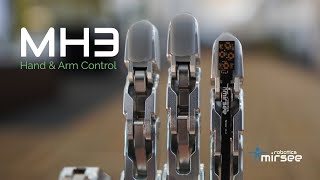
31 DoF overall, 6 DoF hands with 5 fingers, 30 kg/arm strength for tool use and dexterous tasks.

Hadron Vision System

NVIDIA Jetson-powered stereo cameras (12 MP) for 3D perception, sub-100 ms latency.

Extended Runtime

10-hour battery with wireless charging and hot-swappable modules for continuous operation.

Safety & Durability

Power-off brakes, IP54 rating, force-limited actuators for safe human collaboration.

Specifications

AvailabilityIn production
NationalityCanada
Websitehttp://www.mirsee.com
Degrees Of Freedom, Overall31
Degrees Of Freedom, Hands6
Height [Cm]180
Manipulation Performance2
Navigation Performance2
Max Speed (Km/H)5
Strength [Kg]30
Weight [Kg]125
Runtime Pr Charge (Hours)10
Safe With HumansYes
Cpu/GpuNVIDIA
Ingress ProtectionIP54
Camera Resolution12MP
ConnectivityCellular, Satellite, WiFi
Operating SystemROS2
Llm IntegrationVarious
Latency Glass To ActionSub-100ms
Motor TechBLDC
Gear TechHarmonic & Planetary
Main Structural MaterialAluminum 6061
Number Of Fingers5
Main MarketCritical Infrastructure
VerifiedNot verified
ManufacturerMirsee Robotics
Height180 cm
Weight125 kg
Dof Overall31
Dof Hands6 per hand (5 fingers)
Payload30 kg per arm (27 kg combined)
Max Speed5 km/h
Runtime10 hours
ChargingWireless, 2 hours full charge
Cpu GpuNVIDIA Jetson
OsROS2
Llm IntegrationVarious
LatencySub-100 ms
MotorsBLDC
GearsHarmonic & Planetary
ActuatorsHybrid hydrostatic (M-Drive patented tech)
MaterialAluminum 6061
Ip RatingIP54
Cameras12 MP stereo (Hadron Vision System)
ConnectivityCellular, Satellite, WiFi (2.4/5 GHz)
Vision ProcessorNVIDIA Jetson with custom motherboard
BaseMecanum wheeled holonomic, integrated suspension
SafetyPower-off brakes, human-safe force limits
BatteryModular hot-swappable, scalable output

Curated Videos

Video 1
Video 2

Frequently Asked Questions

What is the primary use case for the MH3?

The MH3 excels in augmenting skilled labor in critical infrastructure, remote/hazardous sites via teleoperation. Operators control it remotely using VR/haptics for tasks like maintenance, inspection, and manipulation, reducing human risk while AI learns repetitive elements. Pre-production pilots target manufacturing and warehouses by 2027.

What is the battery life and charging method?

MH3 provides 10 hours of real-world runtime per charge from its modular hot-swappable battery system. It supports wireless charging for seamless continuous operation, minimizing downtime in industrial deployments without manual intervention.

How does MH3 achieve low latency?

Sub-100 ms glass-to-action latency is enabled by FPGA-based video encoding/transmission, NVIDIA Jetson processing, and ROS2 optimization. The Hadron stereo vision system processes 12 MP feeds in real-time for responsive teleop and AI decisions.

Is MH3 safe to work with humans?

Yes, certified safe with features like power-off brakes, force-limited actuators (30 kg max/arm), inherent stability, and IP54 protection. Designed for cobotic collaboration, it handles repetitive/dangerous tasks to enhance human safety and productivity.

What AI capabilities does MH3 have?

ROS2 OS integrates various LLMs for perception, decision-making, and autonomy transitions. Partnerships with Nucleus AI improve agency; Omniverse simulations train models. Currently teleop-focused, AI offloads repetitive tasks from human operators.

What are the mobility specs?

Wheeled Mecanum base reaches 5 km/h max speed, supports holonomic motion, max step/slope traversal (TBD), and high payloads. Superior stability suits unstructured industrial environments over legged alternatives.

×