KAPEX
LG Electronics + KIST + LG AI Research collaboration

KAPEX

KAPEX is an AI-powered humanoid robot from LG Electronics and KIST that aims to combine bipedal mobility, tactile dexterous hands, and a powerful vision-language AI to perform real-world tasks alongside humans.

Description

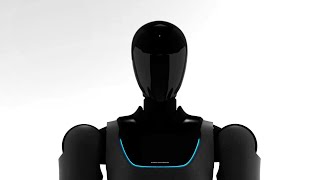
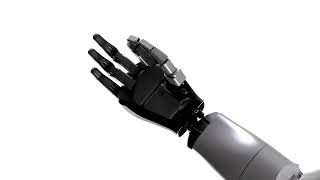
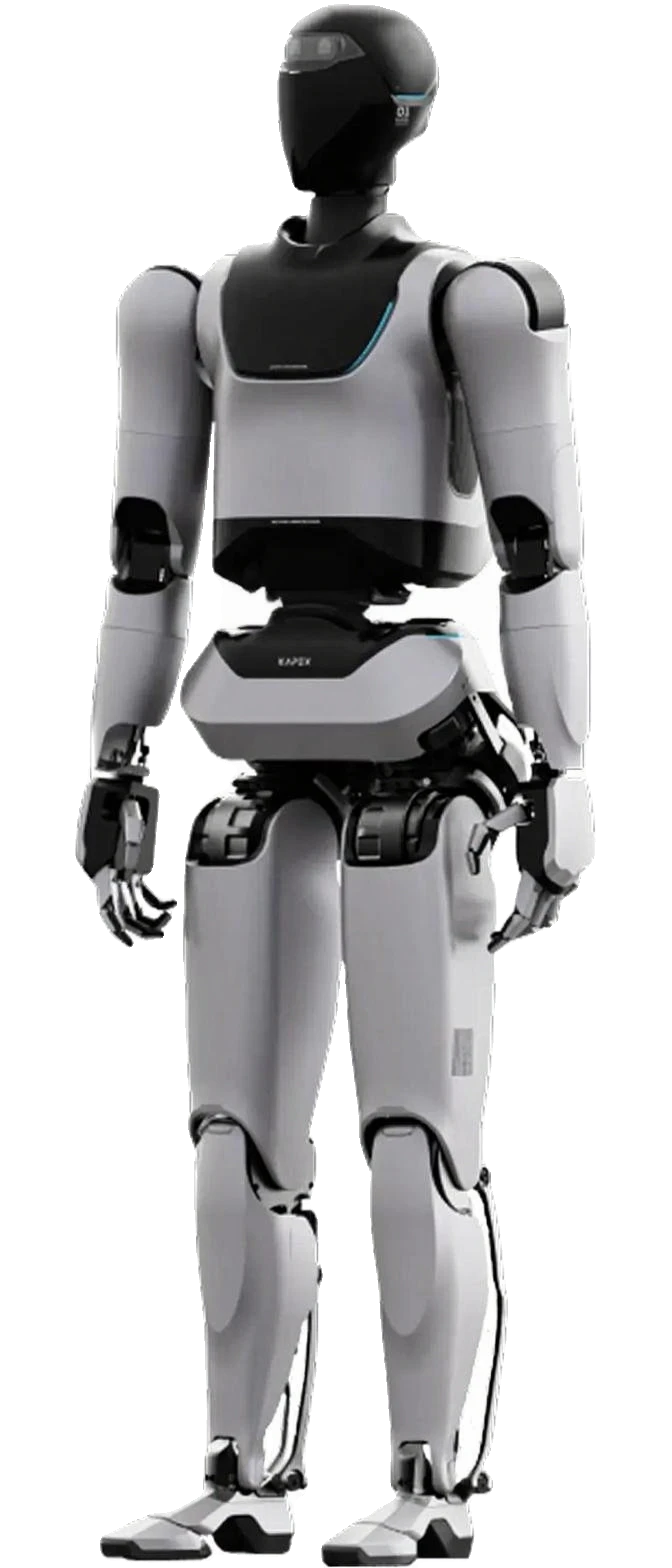
KAPEX is a pioneering AI-powered humanoid robot developed through a strategic collaboration between LG Electronics, the Korea Institute of Science and Technology (KIST), and LG AI Research. Announced on September 30, 2025, KAPEX represents South Korea's ambitious entry into the global humanoid robotics race, aiming to challenge U.S. and Chinese dominance by creating a 'Korean-style' platform for Physical AI. The robot integrates advanced bipedal mobility, dexterous tactile hands, and LG's proprietary EXAONE Vision-Language Model (VLM) to enable real-world task performance alongside humans in home, industrial, logistics, manufacturing, and research environments. Architecturally, KAPEX features a full-body design with an estimated 40-50 degrees of freedom (DOF), including 20 DOF per hand for precise manipulation. Standing at 175 cm tall and weighing 65 kg, it achieves a maximum speed of 4.5 km/h (walking speed 3.5 km/h) with a runtime of 3 hours per charge. Its structure employs aluminum/high-strength alloys with composite covers, high-output full-body actuators, high-torque gearing, and IP20 ingress protection. The hands are equipped with 5 fingers each and multi-tactile sensing mimicking human touch, enabling delicate operations. Vision systems likely include stereo RGB cameras, depth sensors, and environmental sensors feeding into the EXAONE VLM for perception. The core 'robot brain' is LG AI Research's EXAONE VLM, a hyper-scale multimodal AI model that processes visual inputs, language instructions, and reinforcement learning data. This allows KAPEX to interpret complex environments, understand human commands, adapt to novel situations without extensive reprogramming, and learn autonomously through experience. KIST contributes foundational humanoid tech, including autonomous walking in dynamic spaces and human-level physical capabilities, while LG Electronics handles productization, mass-production, and global scaling, potentially leveraging LG Innotek for sensors. KAPEX emphasizes low-latency response (250-450 ms glass-to-action), onboard high-performance GPU/CPU compute, custom robotics OS with AI middleware, and connectivity via Ethernet/Wi-Fi. Safety for human interaction is prioritized. As a prototype, initial demos focused on mobility and manipulation were slated for November 2025, with field demonstrations and commercialization targeted within four years. No widespread deployments have occurred yet; however, it aligns with South Korea's K-Humanoid Alliance and national robotics strategy. Early teasers showcase steady gait, dexterous handling, and AI-driven adaptability, positioning KAPEX for versatile applications like home assistance and factory automation. This fusion of Korean actuators, AI, and manufacturing prowess aims to establish KAPEX as a flexible, evolvable platform for future Physical AI advancements.

Key Features

EXAONE VLM Integration

Powered by LG's hyper-scale EXAONE Vision-Language Model, enabling multimodal perception, natural language understanding, and autonomous learning via reinforcement for adaptive task execution.

Tactile Dexterous Hands

20 DOF multi-fingered (5 per hand) hands with human-like tactile sensing for precise manipulation of delicate objects in real-world settings.

Bipedal Mobility

Autonomous walking at 3.5 km/h max speed, with stable navigation in complex environments using high-output actuators and advanced control algorithms.

Physical AI Capabilities

Human-level strength (5-10 kg per arm), low-latency responses (250-450 ms), and adaptive learning for household, industrial, and collaborative tasks.

Onboard AI Compute

High-performance GPU/CPU module supporting real-time VLM inference, custom OS, and connectivity for edge deployment.

Specifications

AvailabilityPrototype
NationalitySouth Korea
Websitehttps://www.lg.com/
Degrees Of Freedom, Overall40–50 DOF (based on multi-joint limbs + dexterous hands)
Degrees Of Freedom, Hands20
Height [Cm]175
Manipulation Performance4
Navigation Performance3
Max Speed (Km/H)4.5
Strength [Kg]5–10 kg per arm
Weight [Kg]65
Runtime Pr Charge (Hours)3
Safe With HumansYes
Cpu/GpuHigh-performance AI compute module (for EXAONE) — assume onboard GPU + CPU
Ingress ProtectionIP20
Camera ResolutionVision-language model input; likely stereo RGB + depth + tactile hands + environment sensors
ConnectivityEthernet, Wi‑Fi
Operating SystemCustom robotics OS + AI middleware
Llm IntegrationYes — uses LG’s EXAONE VLM as core “robot brain”
Latency Glass To Action250–450 ms
Motor TechHigh-output full-body actuators
Gear TechHigh-torque actuators + precision gearing
Main Structural MaterialAluminum / high-strength alloy + composite covers
Number Of Fingers5 per hand
Main MarketHome assistance, Industrial automation, logistics, Manufacturing, Research & education
VerifiedNot verified
Walking Speed [Km/H]3.5
Shipping Size185 × 65 × 60 cm
ColorWhite/grey (prototype)
ManufacturerLG Electronics + KIST + LG AI Research collaboration
Height Cm175
Weight Kg65
Dof Overall40-50
Dof Hands20
Fingers Per Hand5
Max Speed Kmh4.5
Walking Speed Kmh3.5
Strength Per Arm Kg5-10
Runtime Hours3
Shipping Size Cm185 x 65 x 60
Cpu GpuHigh-performance onboard GPU + CPU for EXAONE VLM
OsCustom robotics OS + AI middleware
LlmLG EXAONE VLM
Latency Ms250-450
MotorsHigh-output full-body actuators (Korean-developed)
GearsHigh-torque actuators + precision gearing
MaterialsAluminum/high-strength alloy frame + composite covers
Ip RatingIP20
CamerasStereo RGB + depth sensors (assumed for VLM input)
SensorsTactile sensing on hands + environmental sensors
ConnectivityEthernet, Wi-Fi
ColorWhite/grey (prototype)
SafetyHuman-safe design
BatteryUnknown kWh/voltage; 3-hour runtime per charge

Curated Videos

Video 1
Video 2
Video 3
Video 4

Frequently Asked Questions

What is KAPEX and who developed it?

KAPEX is a next-generation Korean humanoid robot designed for Physical AI, combining bipedal walking, dexterous manipulation, and advanced AI. It was jointly developed by KIST (providing core robotics tech), LG Electronics (productization and mass-production), and LG AI Research (EXAONE VLM brain), announced in September 2025 to rival global leaders.

What AI model powers KAPEX?

KAPEX uses LG AI Research's EXAONE Vision-Language Model as its core 'brain,' augmented with reinforcement learning. This enables visual perception, language comprehension, environmental adaptation, and experiential learning without heavy pre-programming.

What are the key hardware specs of KAPEX?

Prototype specs include 175 cm height, 65 kg weight, 40-50 DOF overall (20 per hand), 3.5 km/h walking speed, 5-10 kg arm strength, 3-hour runtime, high-output actuators, tactile 5-finger hands, and sensors for stereo RGB/depth vision.

When will KAPEX be released or demonstrated?

Initial unveilings and mobility/manipulation demos were planned for November 2025. Field demonstrations in industrial settings and full commercialization are targeted within four years from announcement, focusing on home and factory applications.

What markets is KAPEX targeted for?

Primary markets include home assistance, industrial automation, logistics, manufacturing, and research/education. Its safe human interaction, adaptability, and learning capabilities make it suitable for collaborative environments.

Is there an official product page or datasheet for KAPEX?

As a prototype, no dedicated official product page or PDF datasheet is publicly available yet. Information is primarily from announcements on KIST/LG sites, news outlets, and aggregator sites like humanoid.guide.

×