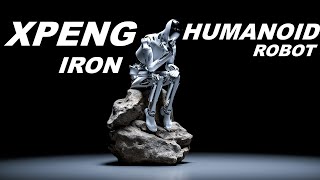
IRON
Xpeng

IRON

Humanoid robot from XPENG with 200‑DoF mobility, 22‑DoF hands, 720° vision, and Turing‑AI compute for real‑world factory and retail tasks.

Description

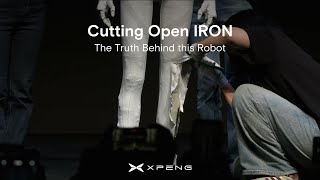
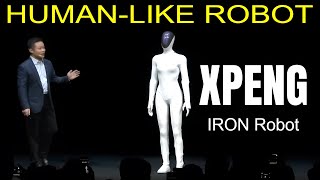
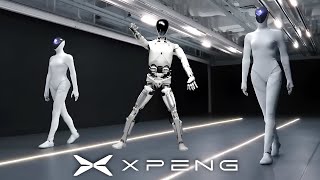
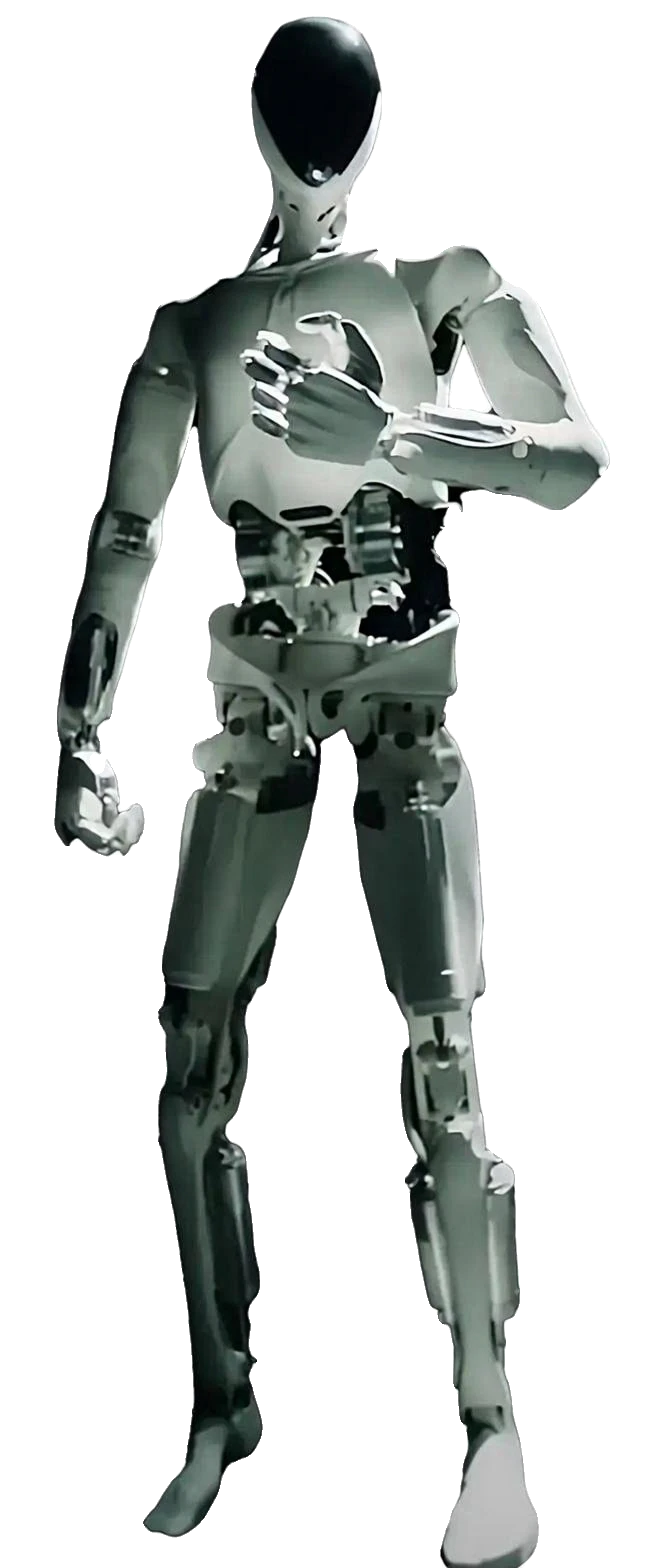
The XPeng IRON humanoid robot represents a significant advancement in embodied AI and robotics, developed by Chinese electric vehicle giant XPeng over five years through six generations. Unveiled in its next-generation form at XPeng's 2025 AI Day, IRON features a highly anthropomorphic design with a bionic spine, synthetic muscles, and full-body flexible soft skin, enabling fluid, human-like movements that prompted public skepticism, leading CEO He Xiaopeng to cut open the robot live on stage to reveal its internal mechanisms. Standing at 173-178 cm tall and weighing 70 kg, IRON boasts 60-82 degrees of freedom overall, including 22 DoF in each human-scale hand with 10 fingers, allowing dexterous manipulation for tasks like screwdriving, object handling, and assembly. Architecturally, IRON employs a 'bone-muscle-skin' bionic structure. The flexible spine mimics human lumbar flexibility for natural gait and posture, while high-torque electric servo-actuators (harmonic joint modules) drive precise motion. Powered by high-energy-density solid-state batteries, it offers extended runtime (up to 4 hours per charge) with improved safety, power density, and reduced weight compared to traditional lithium-ion packs. Vision is provided by a 720° 'Eagle-Eye' system for omnidirectional spatial awareness, integrated with cloud connectivity for remote updates. At its core is XPeng's in-house Turing AI platform, powered by three Turing AI chips delivering 2,250 TOPS of compute power, enabling multi-modal processing. The system runs on Tianji AIOS operating system, fusing Vision-Language-Task (VLT) models with XPeng's newly unveiled VLA 2.0 (Vision-Language-Action) for end-to-end physical AI emergence. This allows semi-autonomous task execution, natural continuous dialogue with active reasoning, and real-time adaptation in dynamic environments. Latency from perception to action is minimized for responsive interaction. Deployment history began with prototypes in 2024, progressing to factory training by late 2025, where IRON assists in XPeng's own P7+ EV assembly lines, performing logistics sorting, product assembly, and inspections. Demonstrations include catwalk struts, Kung Fu-style agility tests showcasing balance and coordination, and retail scenarios like guiding customers. XPeng plans mass production in 2026, targeting ¥100 billion investment for commercial rollout in factories, retail outlets, offices, and eventually homes. Priced around $150,000 estimated, it emphasizes safety for human co-existence via soft skin and compliant actuators. Performance metrics include 4 km/h walking speed (max 7 km/h), 20 kg payload, and H.G. skill score of 4-6/10 for navigation and manipulation. IRON's integration of automotive-derived tech like solid-state batteries and AI chips positions XPeng as a leader in cross-domain AI mobility, bridging cars, robots, and flying vehicles.

Key Features

Bionic Humanoid Structure

Human-like spine, synthetic muscles, and full-body soft skin for natural gait, balance, and safe human interaction.

Dexterous Hands

22 DoF per hand with 1:1 human proportions and 10 fingers, enabling precise manipulation like screwdriving and object handling.

High-Performance AI Compute

Three Turing AI chips providing 2,250 TOPS, running VLA 2.0 and VLT models for vision-language-action integration.

Solid-State Battery Power

Advanced solid-state batteries for 4+ hours runtime, high energy density, safety, and lightweight design.

720° Eagle-Eye Vision

Omnidirectional perception for spatial awareness, obstacle avoidance, and real-world navigation.

Tianji AIOS & Cloud Connectivity

Proprietary OS for perception/control/voice, with cloud updates for continuous improvement.

Specifications

AvailabilityPrototype
NationalityChina
Websitehttps://www.pxing.com/en/index
Degrees Of Freedom, Overall60
Degrees Of Freedom, Hands22
Height [Cm]173
Manipulation Performance3
Navigation Performance3
Max Speed (Km/H)7
Strength [Kg]20
Weight [Kg]70
Runtime Pr Charge (Hours)4
Cpu/GpuXPENG Turing AI chips
ConnectivityCloud‑connected
Operating SystemTianji AIOS
Llm IntegrationVision‑Language‑Task (VLT)
Motor TechElectric servo‑actuator drive (high‑torque servos referenced in coverage; vendor hasn’t posted actuator specs).
Number Of Fingers10
Main MarketMain market Early focus on commercial deployments
H.G Skill Score4
VerifiedNot verified
Walking Speed [Km/H]4
ManufacturerXpeng
Height Cm173-178
Weight Kg70
Dof Overall60-82
Dof Hands22
Fingers10
Max Speed Kmh7
Walking Speed Kmh4
Payload Kg20
Runtime Hours4
Compute Tops2250
Processors3x XPeng Turing AI chips
BatterySolid-state batteries (high energy density, Li-metal anode implied)
OsTianji AIOS
Vision720° Eagle-Eye multi-camera system
ActuatorsHigh-torque electric servo-actuators, harmonic joint modules
StructureBionic spine, synthetic muscles, full-body flexible soft skin
ConnectivityCloud-connected with OTA updates
Ai ModelsVLA 2.0, Vision-Language-Task (VLT)

Curated Videos

Video 1
Video 2
Video 3
Video 4
Video 5

Frequently Asked Questions

What is the development history of XPeng IRON?

Developed over five years through six generations, IRON debuted in 2024 and reached next-gen prototype by November 2025. It transitioned from teleoperation to semi-autonomous operation, now in factory training at XPeng facilities to refine real-world tasks ahead of 2026 mass production.

What AI models power IRON's intelligence?

IRON uses XPeng's VLA 2.0 (Vision-Language-Action) model with 2,250 TOPS from three Turing chips, enabling end-to-end task execution. VLT integration fuses vision, language, and locomotion for natural dialogue, reasoning, and physical actions in dynamic environments.

How does IRON achieve human-like movement?

A bionic spine provides lumbar flexibility, synthetic muscles contract/stretch for fluid motion, and 82 DoF with high-torque servos ensure precise control. Soft skin enhances safety, while AI-driven balance allows Kung Fu demos and catwalk struts.

What are IRON's battery and power specs?

Equipped with solid-state batteries offering high energy density, safety (no thermal runaway risk), and lighter weight. Delivers 4 hours runtime per charge, supporting continuous factory/retail operations with fast recharging.

When will IRON be available commercially?

Currently in prototype/factory training phase. XPeng targets mass production in 2026 for initial commercial deployments in factories and retail, with expansion to offices/homes. Estimated price around $150,000.

Is IRON safe for human interaction?

Yes, designed with compliant actuators, soft flexible skin, and bionic structure to absorb impacts. 720° vision and AI perception enable safe navigation around humans, suitable for collaborative tasks in shared spaces.

×