Ambidex
Naver Labs

Ambidex

Ambidex by Naver Labs is a versatile, lightweight robot designed for precision and safe human collaboration. Its cable-driven technology, advanced AI, and adaptability make it an innovative solution for industries requiring delicate and efficient robotic assistance.

Description

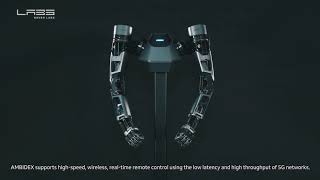
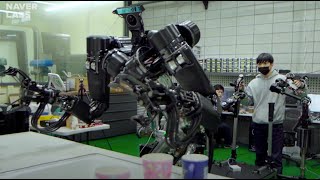
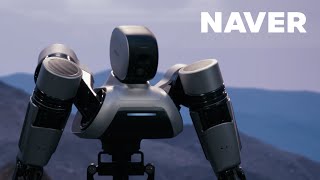
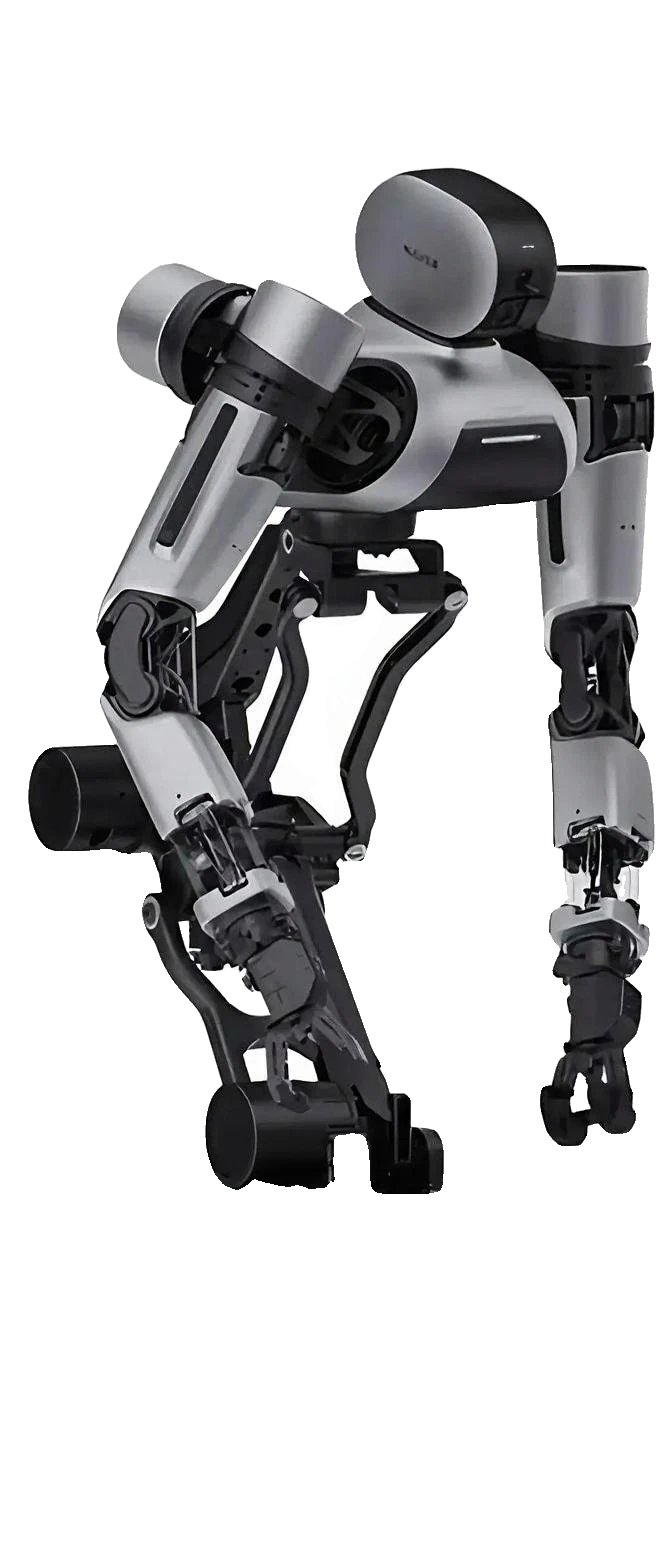
Ambidex, developed by Naver Labs in collaboration with Korea University of Technology & Education (KOREATECH), represents a breakthrough in dual-arm humanoid robotics, emphasizing safe human-robot coexistence through innovative cable-driven architecture. Initially unveiled in 2017 as lightweight robotic arms, Ambidex has evolved into a full upper-body humanoid platform standing 186 cm tall, incorporating a sensor-equipped head, torso, waist mechanism, and advanced grippers like the BLT Gripper. Each arm features 7 degrees of freedom (DOF), mirroring human arm kinematics, with actuators strategically placed at the shoulder and base to minimize distal mass—incredibly, each arm weighs just 2.6 kg, lighter than an average adult male arm. This cable-driven system uses wire-structured power transmission to achieve industrial-level precision, strength, and speed (up to 5 m/s tip velocity) while ensuring inherent safety through low inertia and compliant force control. The mechanism amplifies torque at joints, supporting payloads up to 3 kg per arm (upgradable to 5 kg in variants like LIMS3-AMBIDEX), enabling dynamic tasks such as high-fiving humans without injury. Architecturally, Ambidex employs a hybrid dynamic model for tendon-driven control, integrating physics-based simulation with data-driven learning to handle complex nonlinearities in cable tensions and joint interactions. The waist addition expands workspace, while the sensor head provides visual perception for object detection. Force/torque sensors embedded in joints and cables enable precise haptic feedback, crucial for bilateral teleoperation. Naver Labs' proprietary haptic devices (upgraded to 2.0) facilitate 1:1 human-scale control, transmitting position, velocity, and force bidirectionally with low latency (<5 ms cycles), allowing operators to 'feel' the robot's environment. This generates high-fidelity training data on 'physical intelligence'—subtle human motor skills like adjusting force when peeling vegetables or timing impacts in table tennis. AI integration centers on task learning via imitation and reinforcement learning (RL). Human demonstrations through haptics are replayed in simulators for policy optimization, enabling single-shot learning where Ambidex autonomously executes complex maneuvers like IKEA chair assembly, sweet potato peeling, ball catching, or pole balancing. Deep learning extracts behavioral patterns from interaction data, coupled with real-time motion planning, impedance control, and visual-tactile fusion. Cloud-based 'brainless' computing via 5G (1 ms latency with Qualcomm) offloads heavy processing, reducing onboard power (up to 40% savings) and enabling fleet learning from multiple units. Real-world deployments began with CES 2019 demos showcasing 5G remote control and have progressed to NAVER's 1784 headquarters—a robot-friendly building where Ambidex cleans service robots like Rookie, navigates dynamic environments, and collects petabytes of interaction data. Testbeds since 2017 in cafes, libraries, and logistics sites validate performance in unstructured settings, focusing on healthcare (rehab/nursing), domestic chores (cooking/laundry), manufacturing assembly, and entertainment. Ongoing evolution targets full autonomy through transfer learning and robustness in dynamic spaces, positioning Ambidex as a versatile platform for ambient intelligence ecosystems. With runtime up to 8 hours and connectivity via 5G/Wi-Fi, it bridges research and practical human augmentation. (728 words)

Key Features

Cable-Driven Lightweight Arms

Each 2.6 kg arm with 7 DOF uses base-mounted actuators and wires for low inertia, enabling 5 m/s speeds and 3 kg payloads with human-safe compliance.

Haptic Bilateral Teleoperation

7 DOF haptic devices provide force/position feedback for intuitive teaching, capturing physical intelligence data for AI learning.

Task Learning AI

Proprietary RL and deep learning from haptic demos enable autonomous execution of complex tasks like furniture assembly and sports.

5G Brainless Control

Cloud computing via ultra-low latency 5G offloads processing, supports remote operation, and facilitates multi-robot data sharing.

Safe Human Interaction

Force-controlled joints and compliant design allow collision-free collaboration, demonstrated in high-fives, hugs, and shared workspaces.

Modular Upper Body

186 cm height with waist, sensor head for perception, and adaptable grippers for expanded dexterity in real-world testbeds.

Specifications

AvailabilityIn production
NationalitySouth Korea
Websitehttps://www.naverlabs.com/ambidex
Degrees Of Freedom, Overall47
Height [Cm]186
Manipulation Performance2
Navigation Performance2
Max Speed (Km/H)3.6
Strength [Kg]6
Runtime Pr Charge (Hours)8
H.G Skill Score4
VerifiedNot verified
ManufacturerNaver Labs
Dof Per Arm7
Total Dof Arms14
Overall Dof47 (estimated with waist/head/grippers)
Arm Weight2.6 kg each
Payload3 kg per arm (up to 5 kg in variants)
Max Tip Speed5 m/s
Height186 cm
Runtime8 hours
ActuatorsCable-driven with base/shoulder motors (brushless, torque up to 42 Nm continuous in LIMS3)
SensorsForce/torque sensors in joints/cables, position encoders, vision cameras in sensor head, haptic feedback sensors
ProcessorsOnboard for real-time control; cloud (5G MEC) for AI/ML (no specific models disclosed)
Connectivity5G (ultra-low latency), Wi-Fi 2.4/5 GHz, USB
MaterialsLightweight composites/metals; black frame for sensors, minimal covers for assembly
GrippersBLT Gripper (adaptable grasping)
Control ModesHaptic teleop, impedance control, RL-based autonomy
BatteryN/A (proprietary, supports 8-hour runtime)
Os SoftwareProprietary closed-source with haptic/RL modules
OtherWaist mechanism for workspace expansion; 5G brainless architecture

Curated Videos

Video 1
Video 2
Video 3
Video 4

Frequently Asked Questions

What is the core technology behind Ambidex's lightweight design?

Ambidex employs a cable-driven mechanism where heavy actuators are placed at the shoulder/base, connected via wires to joints. This reduces arm weight to 2.6 kg each, lowers inertia for fast 5 m/s movements, and ensures safety through compliance, while delivering industrial precision and 3 kg payloads.

How does Ambidex learn new tasks?

Through bilateral haptic teleoperation with 7 DOF devices, humans demonstrate tasks while feeling forces. Data on position, velocity, and force trains RL policies in simulators, enabling autonomous replication after one demo, as seen in IKEA assembly or table tennis.

What are Ambidex's real-world deployments?

Deployed in NAVER's 1784 robot-friendly building for cleaning service robots like Rookie, plus testbeds in cafes/libraries since 2017. CES 2019 demos highlighted 5G control; applications target healthcare, manufacturing, and homes for data collection and validation.

What safety features does Ambidex have?

Low-inertia cable design, real-time force/torque sensing, and impedance control prevent harm during interactions. It high-fives at full speed safely, supports collaborative tasks like handshakes/hugs, and uses compliant joints for collision avoidance in human environments.

What is the computing and connectivity setup?

Supports 'brainless' 5G cloud computing (1 ms latency) for heavy AI/ML offload, reducing onboard power by 40%. Includes Wi-Fi, USB; onboard processors handle real-time control, with cloud enabling fleet learning from sensor data across deployments.

×